
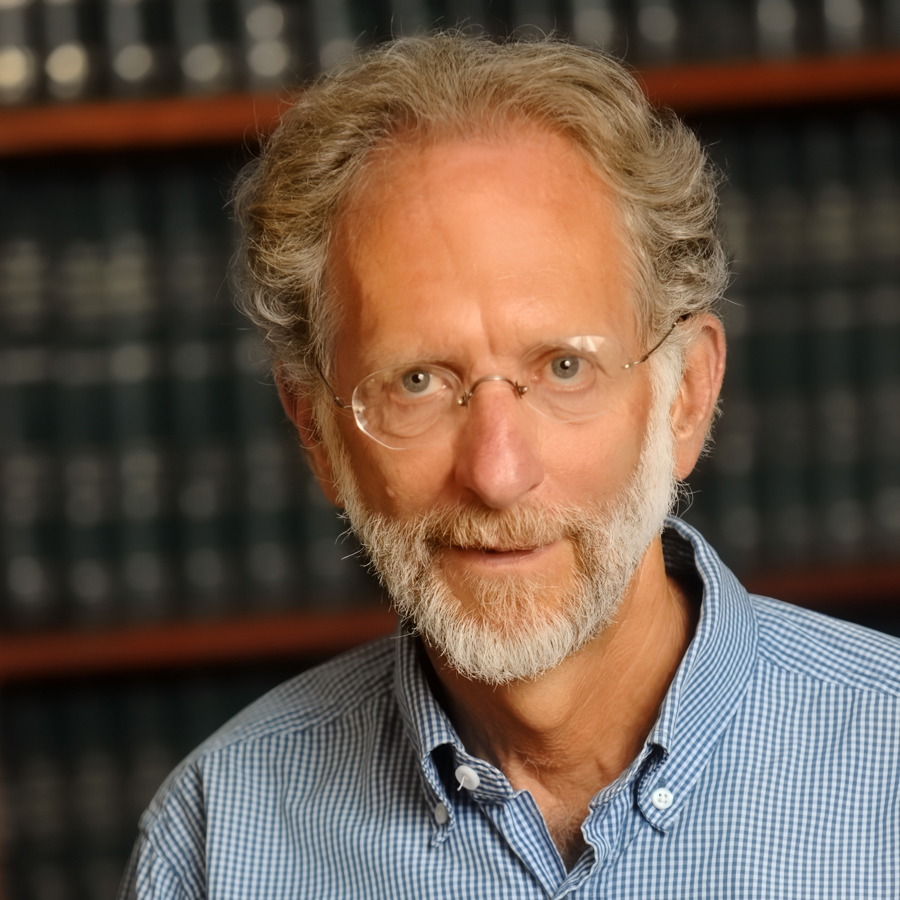
Richard Abel
Rick Abel is Connell Distinguished Professor of Law Emeritus and Distinguished Research Professor at UCLA. Since retiring in 2008 he published two books on the defense of the rule of law in the U.S. “war on terror”: Law’s Wars; Law’s Trials (Cambridge UP 2018); both are now in paperback. He is also finishing (with Scott Cummings and KT Albiston) an article presenting the findings of our survey of all the 2001-10 graduates of six California law schools about why some commit to and persist in public interest law careers.

Aziza Ahmed
Aziza Ahmed is a Professor of Law at Northeastern University School of Law. Professor Ahmed is an expert in health law, criminal law and human rights. Her scholarship examines the legal, regulatory and political environments regarding health in US domestic law, US foreign policy and international law. She teaches Property Law, Health Law, Reproductive and Sexual Health and Rights, and International Health Law: Governance, Development and Rights. Professor Ahmed was a fellow with the Program in Law and Public Affairs (LAPA) at Princeton University from 2017-2018 where she worked on a book examining how feminist advocates shaped the AIDS response. She has also written extensively about abortion and reproductive health. Professor Ahmed was a Visiting Professor of Law at the University of Chicago Law School in Spring 2019. Prior to joining the School of Law, Professor Ahmed was a research associate at the Harvard School of Public Health Program on International Health and Human Rights. She came to that position after a Women’s Law and Public Policy Fellowship with the International Community of Women Living with HIV/AIDS (ICW). Professor Ahmed has also consulted with various United Nations agencies and international and domestic non-governmental organizations. Professor Ahmed was a member of the Technical Advisory Group on HIV and the Law convened by the United Nations Development Programme (UNDP) and has been an expert for many institutions, including the American Bar Association and UNDP. In 2016, she was appointed to serve a three-year term on the advisory board of the Northeastern University Humanities Center. In addition to her BA and JD, Professor Ahmed holds an MS in population and international health from the Harvard School of Public Health.

Paulo Barrozo
Paulo Barrozo is an associate professor at Boston College Law School. His work offers new understandings on rights, punishment, cruelty, the political, distribution, legal education, and the nature and evolution of law. He received an S.J.D. from Harvard Law School and a Ph.D. in Political Science from the Rio de Janeiro University Research Institute. His work is available here: http://ssrn.com/author=400119 and here: www.paulobarrozo.com

Paul Baumgardner
Paul Baumgardner is completing a joint Ph.D. in the Department of Politics and the Humanities Council at Princeton University. He also is a doctoral fellow in residence at the American Bar Foundation. Last year, Baumgardner held the Harold W. Dodds Honorific Fellowship, a university-wide fellowship that Princeton awards to those “whose research shows exceptional promise.” His work on American law and politics has appeared in Law & Social Inquiry, Law and History Review, Presidential Studies Quarterly, and Laws. He also recently co-authored a book about interdisciplinarity and university life, titled Keywords; For Further Consideration and Particularly Relevant to Academic Life (Princeton University Press, 2018). In addition to his time at Princeton and the American Bar Foundation, Baumgardner has been a visiting fellow at the Rutgers Law School Institute for Law and Philosophy and a visiting scholar at the University of Buffalo Law School Baldy Center for Law & Social Policy.

Jay Feinman
Jay Feinman is Distinguished Professor of Law at Rutgers Law School in Camden, New Jersey. His many publications on contract law, tort law, insurance law, and legal education include seven books and more than sixty-five scholarly articles. Among his professional activities, Feinman is an elected member of The American Law Institute and was an Adviser to the Restatement Third, Torts: Liability for Economic Harm. He is a member of the New Jersey bar. Feinman has served as Chair of the Association of American Law Schools Section on Contracts and Section on Teaching Methods. At Rutgers, he is Co-Director of the Rutgers Center for Risk and Responsibility and previously was Associate Dean and Acting Dean of the law school. Feinman has received every teaching prize awarded at Rutgers. In 2018 he received the Daniel Gorenstein Memorial Award, given to one Rutgers University faculty member each year for excellence in scholarship, teaching, and service. In 2014 the New Jersey Association for Justice awarded him its Gold Medal for Distinguished Service.
Michael Fischl
Michael Fischl is Professor of Law at the University of Connecticut. He began his legal career as an attorney with the National Labor Relations Board, where he worked for half a decade to secure reinstatement and backpay for unlawfully discharged union organizers. The agency’s mission took a dodgy turn when Reagan came to town, and in the early 1980s he sought sanctuary at the University of Miami, where he taught until the move to Connecticut in 2006. His research interests focus on labor law and legal theory, and highlights of his many happy years as a legal academic include active participation in a faculty group supporting the ultimately successful effort of the SEIU to organize the custodial and landscaping workers at the University of Miami; a visiting professorship at Yale, which has been making do with labor law visitors since Jack Getman left in the mid-1980s and finally got to the F’s in 2011; and, together with Karl Klare and Lucy Williams, service as Co-Secretary of INTELL, an international network of progressive labor scholars and practitioners that produced a series of extraordinary conferences and publications in the 1990s and early 2000s. He is co-author with Jeremy Paul of Getting to Maybe – a/k/a “Critical Legal Studies Meets the Law Exam” – and much of his recent work has focused on the legacies of CLS in the law school classroom.
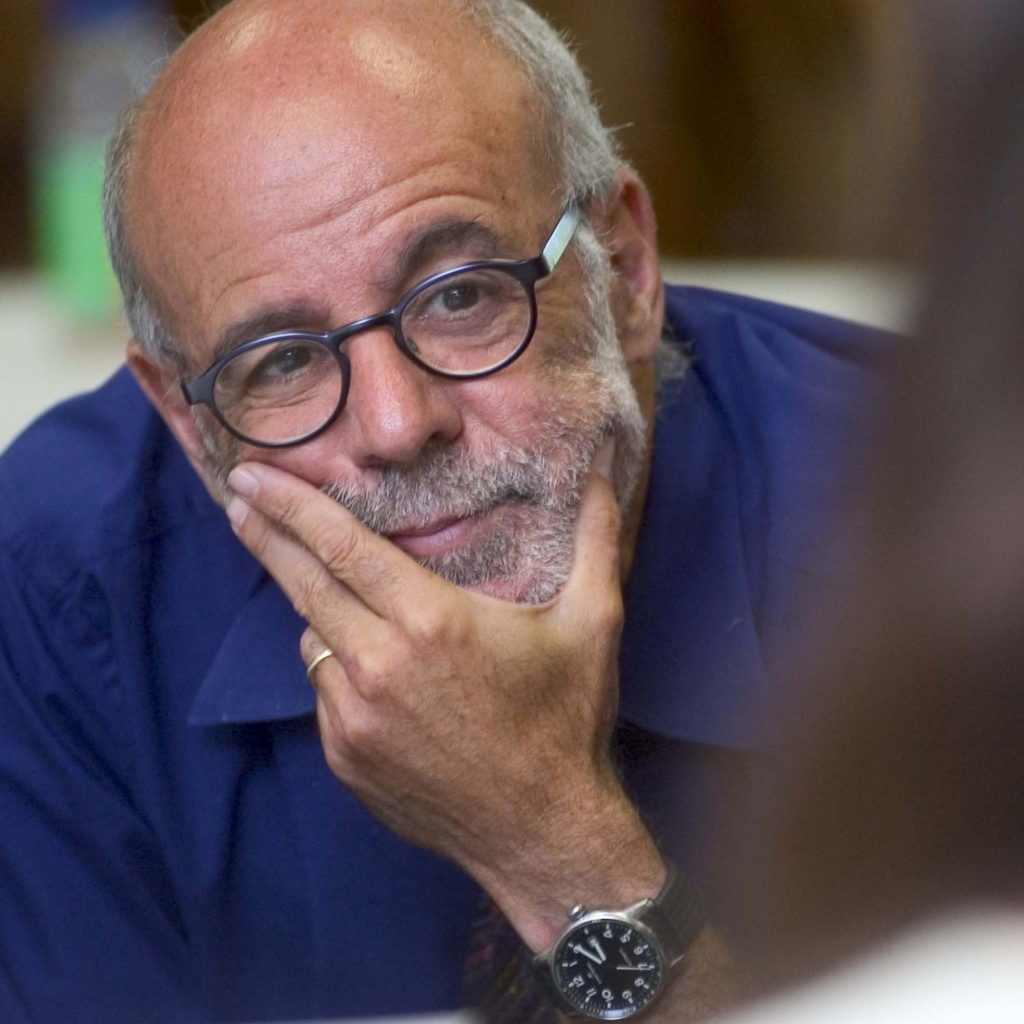
William Forbath
Willy Forbath holds the Lloyd M. Bentsen Chair and is Associate Dean of Research at UT Austin School of Law; he is also a Professor of History at UT. He is the author of Law and the Shaping of the American Labor Movement, the forthcoming The Anti-Oligarchy Constitution (with Joseph Fishkin), and dozens of articles, book chapters, and essays on legal and constitutional history and theory and comparative constitutional law. He is completing a history of Jews, law and identity politics in the twentieth century and starting a history of socialist lawyering. He occasionally writes on legal and constitutional issues for the New York Times, the Nation and other outlets, and is on the boards of several Texas organizations devoted to social movements and advocacy for affordable housing and workers’ rights.

Günter Frankenberg
Senior Professor of Public Law, Philosophy of Law and Comparative Law at the Goethe University in Frankfurt/Main. Focus of research: legal thought; comparative law; comparative constitutional studies of authoritarian regimes. Recent publications: Political Technology and the Erosion of the Rule of Law (Elgar, 2013), Comparative Law as Critique (Elgar 2016), Comparative Constitutional Studies (2018), Authoritarian Constitutionalism (Elgar 2019, with H. Alviar); Autoritarismus (Suhrkamp 2019 forthcoming)

Paul Frymer
Paul Frymer is Professor of Politics and Director of the Program in Law and Public Affairs at Princeton University. He is the author of three books: Uneasy Alliances: Race and Party Competition in America (Princeton University Press, second edition, 2010); Black and Blue: African Americans, the Labor Movement, and the Decline of the Democratic Party (Princeton University Press, 2008); and Building an American Empire: The Era of Territorial and Political Expansion (Princeton University Press, 2017). His books and articles have won awards from the American Political Science Association, the American Sociological Association, and the Law and Society Association; he also recently was awarded the Stanley Kelley Jr. Teaching Award from the Princeton Politics Department.
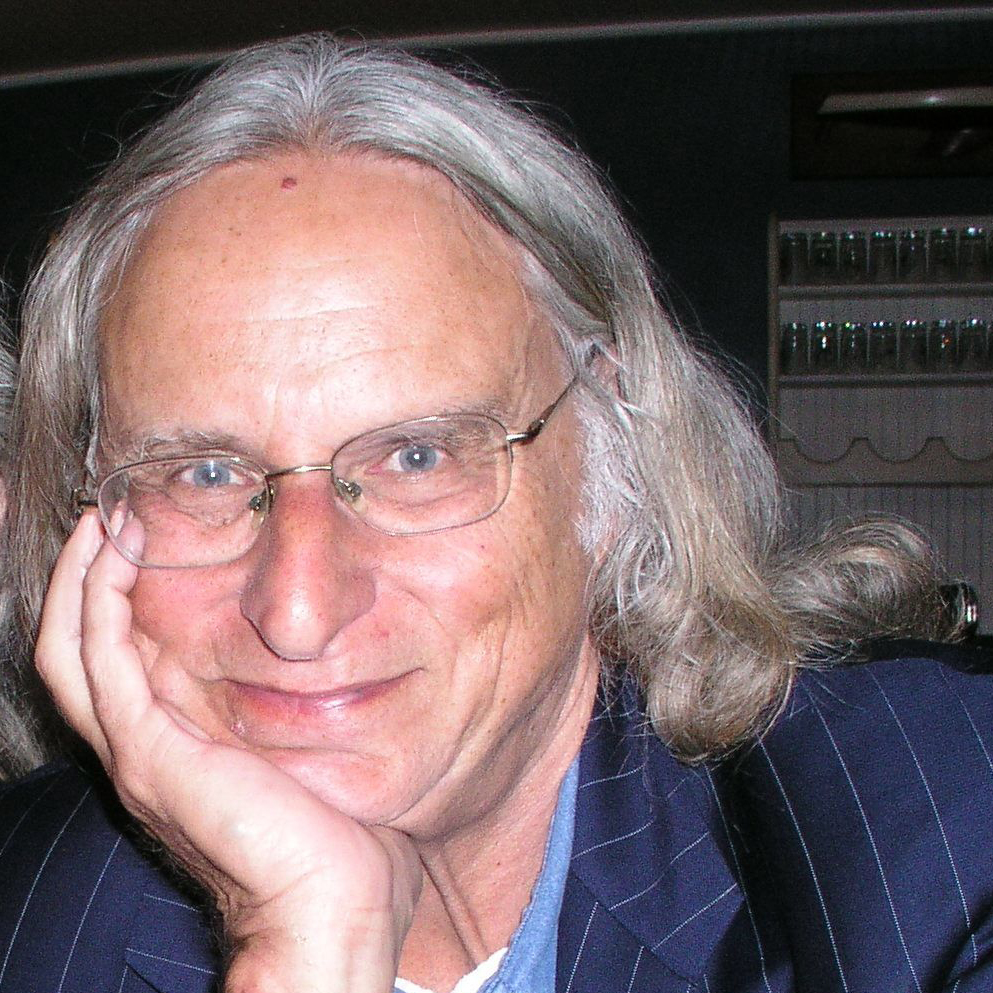
Peter Gabel
Peter Gabel is former president of New College of California and was a professor at New College’s public-interest law school for over 30 years. He is also editor-at-large of Tikkun magazine. His most recent book, The Desire for Mutual Recognition: Social Movements and the Dissolution of the False Self, was nominated by Routledge Press for the Kirkus Prize for Best Non-Fiction Book of 2018.
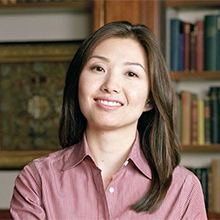
Jeannie Suk Gersen
Jeannie Suk Gersen is the John H. Watson, Jr. Professor of Law at Harvard Law School. She teaches and writes on a wide range of subjects including Constitutional Law, Criminal Law and Procedure, Family Law, Sexual Assault and Harassment, and Title IX. She has been a recipient of a Guggenheim Fellowship and Harvard Law School’s Sacks-Freund Award for Teaching Excellence. She is a contributing writer to the New Yorker.

Nancy Gertner
Nancy Gertner is a professor at Harvard Law School. From 1994 to 2011, she was a federal district court judge in Massachusetts, appointed by President Clinton. She taught for over a decade at Yale Law School and for two decades was a criminal defense lawyer, civil rights, and women’s rights activist. Gertner has taught with American Bar Association’s Central European and Eurasian Law Initiative (and now sits on the advisory board) and Yale Law School’s China Project, among others. Her honors include ABA’s Margaret Brent Award, ABA’s Thurgood Marshall Award, and the National Association of Women Lawyers’ Arabella Babb Mansfield Award. Her writings include her 2011 autobiography, In Defense of Women. She is presently working on a judicial memoir entitled Incomplete Sentences: Judging, Guidelines, and Gangs (Beacon Press, forthcoming)

Leslie Gerwin
Leslie Gerwin started law school with radical leanings and membership in the National Lawyers Guild. Soon after becoming a law professor, starting at the University of Miami, she embraced legal realism and taught and researched Karl Llewellyn’s Elements of Law course. Faculty seminars at the Benjamin N. Cardozo School of Law, where she was a founding faculty member, explored the dimensions of Critical Legal Studies, which crept into her teaching approaches. She earned degrees in law, public health, and public administration; spent time as a policy advocate on health and public education reform issues and civic engagement; and taught in schools of law, public health, and undergraduate and graduate programs. She is currently the Associate Director of the Program in Law and Public Affairs at Princeton University, where she also teaches in the American Studies and Global Health Programs.

Robert W. Gordon
Robert W. Gordon is currently Professor of Law at Stanford University and formerly Chancellor Kent Professor of Law and Legal History at Yale University. A graduate of Harvard’s College and Law School, he began his teaching career at SUNY/Buffalo. He has also taught at the University of Wisconsin-Madison, and been a visiting professor at Harvard, Oxford and the University of Toronto. He is a past president of the American Society for Legal History and member of several national and state bar association task forces on professional reform. His book on legal historiography, Taming the Dragon: Law in History and History in Law (Cambridge University Press) appeared in 2017. Most of his writing is about the history and current predicament of the legal profession and legal education, contract law, and the history of legal historiography and legal thought.
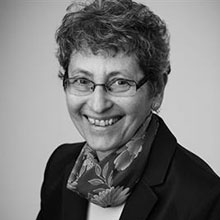
Judith G. Greenberg
A faculty member at New England Law since 1979, Professor Greenberg teaches subjects relating to Family Law and Real Estate, as well as the first year Torts and Property courses. She served as associate dean from 2007 to 2013 and again from 2016 to 2018. She is the co-author of Frug’s Women and the Law, originally by Mary Joe Frug, late professor of law at New England Law. She is also a co-author of Domestic Violence and the Law: Theory and Practice. She has written articles on feminist jurisprudence, race and legal education, and domestic violence. Her current interests relate to real estate law, women, and race. She co-directs the Women’s and Children’s Advocacy Project of the law school’s Center for Law and Social Responsibility. Previously, she was project director and staff attorney for the Center for Public Representation in Madison, Wisconsin.
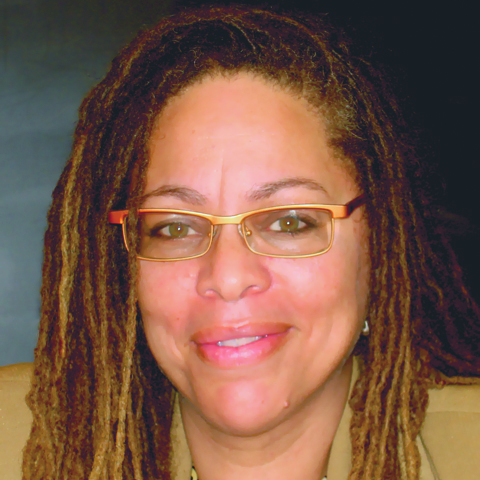
Cheryl I. Harris
Cheryl I. Harris is the Rosalinde and Arthur Gilbert Foundation Chair in Civil Rights and Civil Liberties at UCLA School of Law and is one of the founding faculty and past faculty director of the Critical Race Studies Program. Professor Harris is the author of groundbreaking scholarship in the field of Critical Race Theory, including Whiteness as Property (Harvard Law Review). Her research has also focused on race and indigeneity, both in the US and Australia, and she has recently served as a visiting scholar at RMIT University in Melbourne. Harris was Chair of the Department of African-American Studies at UCLA from 2014-2016. She was awarded UCLA Law School’s Rutter Prize for excellence in teaching in 2018. She is a fellow at the Program for Law and Public Affairs at Princeton, 2019-2020. Current projects include a major revision of Derrick Bell’s seminal text, Race, Racism and American Law, [with co-author Justin Hansford], as well as investigation of historic and current relationships among race, debt and property.
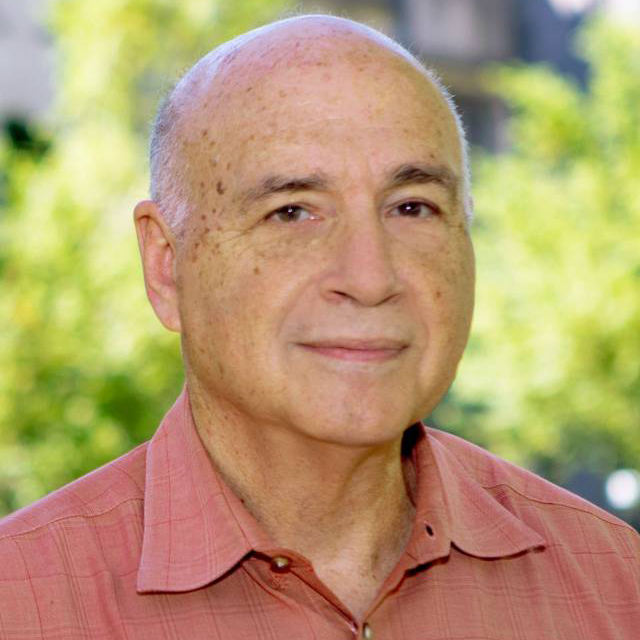
Hendrik Hartog
Hendrik “Dirk” Hartog is the Class of 1921 Bicentennial Professor in the History of American Law and Liberty. For a decade, he was the director of Princeton University’s Program in American Studies. Hartog has spent his scholarly life obsessed with the difficulties and opportunities that come with studying how broad political and cultural themes have been expressed in everyday legal conflicts. He has worked in a variety of areas of American legal history: on the history of city life, on the history of constitutional rights claims, on the history of marriage, on the history of slavery and emancipation, and on the historiography of legal change and of legal history. He is the author of Public Property and Private Power: the Corporation of the City of New York in American Law, 1730-1870 (1983), Man and Wife in America: a History (2000), Someday All This Will Be Yours: A History of Inheritance and Old Age (2012), and The Trouble with Minna: A Case of Slavery and Emancipation in the Antebellum North (2018). He has been awarded a variety of national fellowships and lectureships, and for a decade he coedited Studies in Legal History, the book series of the American Society for Legal History. In 2016, he was made an Honorary Fellow of the American Society for Legal History. He is affiliated with Princeton’s Program in Law and Public Affairs, with the Program in American Studies, and with the Program in Gender and Sexuality Studies. Before coming to Princeton, he taught at the University of Wisconsin Law School (1982-92) and at the Indiana University (Bloomington) School of Law (1977-82).

David Kennedy
David Kennedy is Manley O. Hudson Professor of Law and Faculty Director of the Institute for Global Law and Policy at Harvard Law School where he teaches international law, international economic policy, legal theory, law and development and European law. His research uses interdisciplinary materials from sociology and social theory, economics and history to explore issues of global governance, development policy and the nature of professional expertise. As a practicing lawyer and consultant, Professor Kennedy has worked on numerous international projects, both commercial and public, including work with PricewaterhouseCoopers with their emerging markets and anti-corruption practice, with the United Nations, the Commission of the European Union, the Qatar Foundation and with the private firm of Cleary, Gottlieb, Steen and Hamilton in Brussels, where his work combined European antitrust litigation, government relations advising and general corporate law. A member of the U.S. Council on Foreign Relations, he is past Chair and Member of the World Economic Forum’s Global Advisory Council on Global Governance. At Harvard, he served as Chair of the Graduate Committee and Faculty Director of International Legal Studies. He has lectured as a Visiting Professor at numerous universities across the world. In 2008-2009, he served as Vice President for International Affairs, University Professor of Law and David and Marianna Fisher University Professor of International Relations at Brown University.
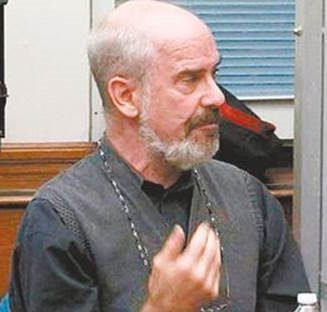
Duncan Kennedy
Duncan Kennedy taught at Harvard Law School for 43 years, retiring in 2014. He was one of the initial organizers of the critical legal studies movement. He taught basic first year courses along with housing law and policy, Israel Palestine legal issues, globalization of law and the history of legal thought. Represenative publications: Legal Education and the Reproduction of Hierarchy; A Critique of Adjudication [fin de siècle]; Sexual Abuse, Sexy Dressing the Eroticization of Domination; Three Globalizations of Law and Legal Thought: 1850-2000. He has visited recently at Sciences Po in Paris, and at law faculties in Argentina, Turkey and Greece.
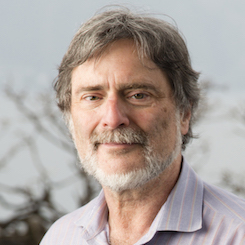
Karl Klare
Prior to law school, Karl Klare participated in the civil rights, antiwar, and student movements and taught political science. As a lawyer and legal academic he focused on labor and employment law, social and economic rights, and legal theory. He was an active participant in CLS and a founder of the International Network on Transformative Employment and Labor Law (INTELL). Currently he is co-convenor of the International Social and Economic Rights Project (iSERP). His work on the South African transition to democracy launched the approach known as “transformative constitutionalism.” He has been a faculty-member at Northeastern University School of Law since 1977.

Charles Lawrence*
Charles Lawrence is Emeritus Professor of Law and Emeritus University Centennial Professor at the University of Hawaii, Manoa. He began his teaching career at the University of San Francisco in 1974, was a tenured professor at Stanford and Georgetown, and has visited several other schools, including Harvard, Berkeley, UCLA, and the University of Southern California. Professor Lawrence is best known for his prolific work in antidiscrimination law, equal protection, and critical race theory. He received the University of San Francisco School of Law’s Most Distinguished Professor Award; the John Bingham Hurlburt Award for Excellence in Teaching, presented by the 1990 graduating class of Stanford Law School; and the Society of American Law Teachers national teaching award. He has received honorary doctorates from Haverford College, Georgetown University and Nelson Mandela University and served as a member of the District of Columbia Board of Education and on many other public interest boards.
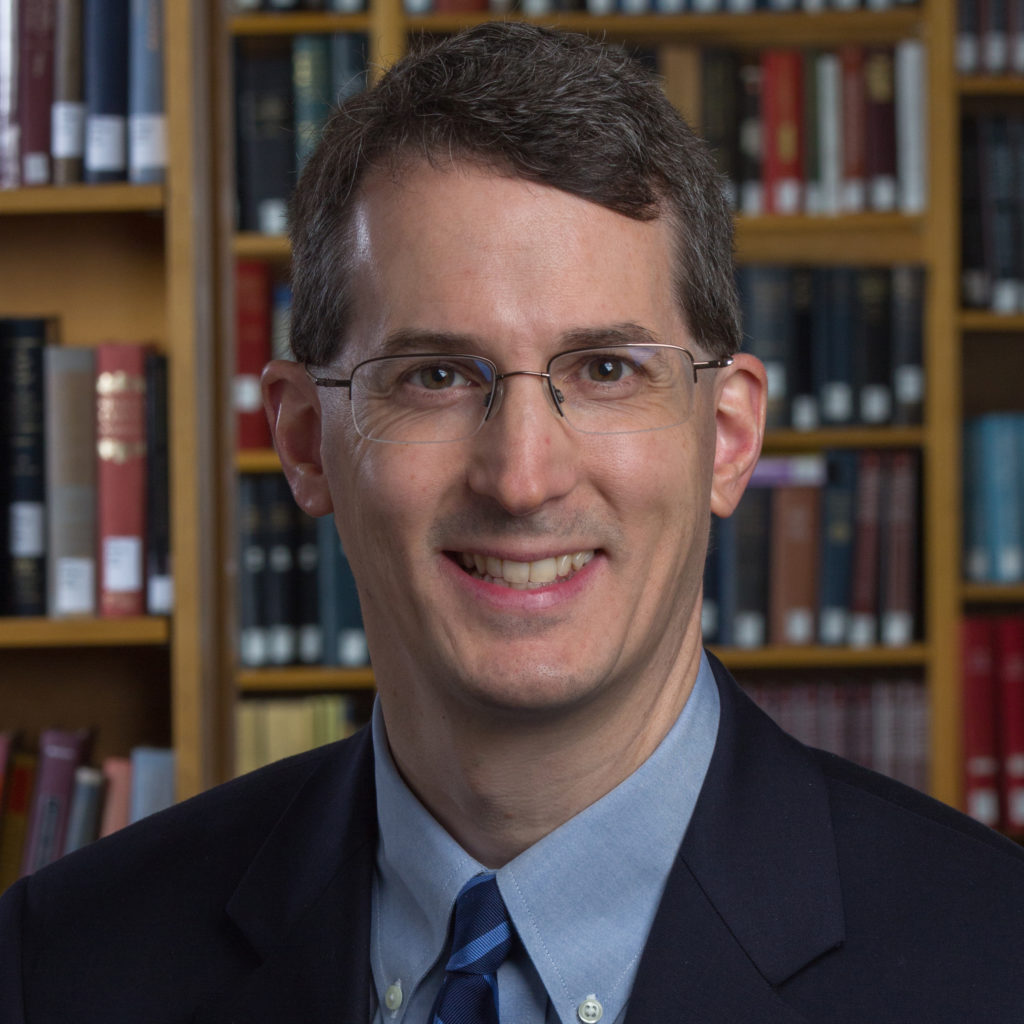
Daniel J. Linke
Daniel J. Linke received bachelors and master’s degrees from Case Western Reserve University in Cleveland, Ohio, and worked at three archival repositories (Cleveland History Center, the University of Oklahoma, and the New York State Archives) before starting at Princeton University in 1994. First serving as the Seeley G. Mudd Manuscript Library’s assistant archivist for technical services, he was promoted in July 2002 to the University Archivist and Curator of Public Policy Papers, where he is responsible for overall operations of the Mudd Library. Since April 2019, he is serving as the interim head of Princeton University Library’s special collections department. Within the 20th Century Public Policy Papers, he has acquired over 100 collections including the papers of U.S. Senator Bill Bradley, civil rights and Watergate lawyer John Doar, former Federal Reserve chairman Paul Volcker, and the records of the UN-sponsored Women’s World Banking. He has also worked to digitize of over two million documents.
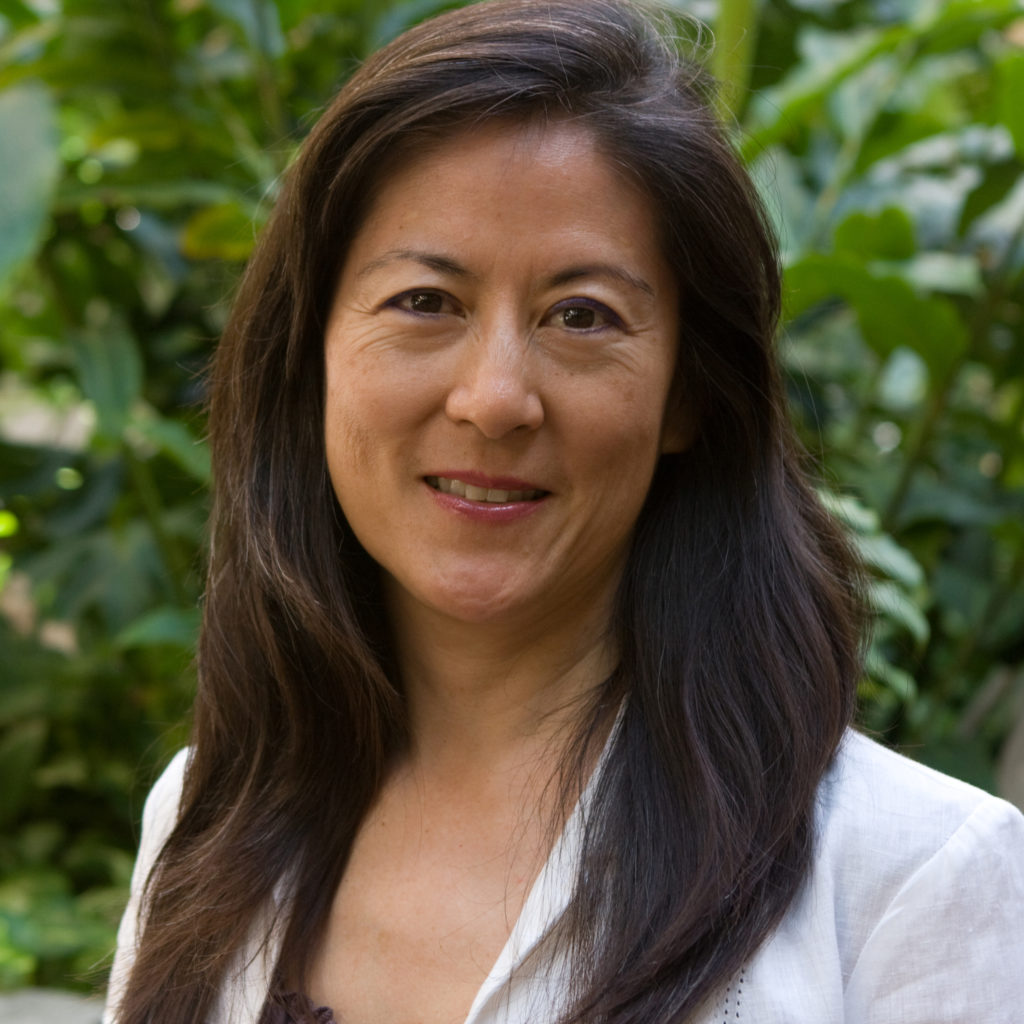
Mari Matsuda
Mari Matsuda is a professor of law at the University of Hawai’i William S. Richardson School of Law. She is also an artist ( marimatsudapeaceorchestra.com ). She attended two CLS national gatherings and 2 CLS summer camps in the halcyon days, and is deeply grateful for the welcome she received there when she was an assistant professor trying to figure out the relationship between law and justice. Matsuda is known as a founding contributor to critical race theory, a sister project to CLS that arose from the critique of the critique of rights. She believes that the critical race theory intervention was and is a friendly one, intended to build on the insights of critical legal studies. All power to the people, subject to a progressive rule of law, built and controlled by us, together, in peace.
Jackie Mow
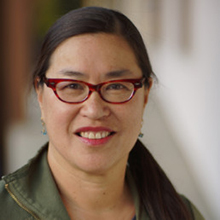
Jackie Mow produced news in France, chased ambulances for local TV news and reported for public radio. Passionate about science and education, she eventually landed a job at NOVA, PBS’ flagship science series. She went on to produce and direct for National Geographic Explorer, the Discovery Channel, the History Channel and PBS Kids. She has made films with a great diversity of subjects: the dog genome, Arctic dinosaurs, tunnel engineering, health disparities, early aviation and more. Jackie has also worked on several documentaries using personal narrative to tell stories of women and girls around the world. For World in the Balance, a film about population policy, she filmed in a Nairobi slum, where she profiled a young woman with HIV who was caring for her five orphan siblings. She also produced and directed A Girl’s Life, a documentary focusing on personal stories of cyber-bullying, violence, and body image.

Frances Olsen
Frances Olsen was active in CLS since she learned of its existence shortly after its first conference at U. Wisconsin in 1977 and is an original Fem-Crit. She and Mary Joe Frug created the Bibliography of Critical Feminist Legal Studies and kept it updated for several years until the field became solidly established within academia. During the 1960s as a law student at the University of Colorado, she single-handedly formed a National Lawyers Guild chapter and in the 1970s she represented the residents of Wounded Knee and their invited American Indian Movement guests throughout the 71-day uprising and siege. During the next few decades she helped establish courses on Feminist Legal Theory at some two dozen law schools on every continent except Antarctica (and at the end of last year finally visited Antarctica but found no law school there). Her recent work has increasingly focused on the covert operations of the U.S. intelligence agencies and their profound impact on law and society in the U.S. and its targeted countries around the world. Her latest passion is to spread throughout U.S. law schools the course and seminar she has developed that is designed to prepare law students to offer more effective assistance to individuals caught up in the current national security state, especially those opposing it. This past September Olsen organized and hosted an international conference on language and law at which Julian Assange was initially to be a keynote speaker (via video link from the Ecuadoran Embassy in London). She was also elected to a second 2-year term as co-president of the International Language and Law Association (which always has one linguist and one lawyer as co-presidents). UCLA School of Law has been her base since 1984.
Kunal Parker
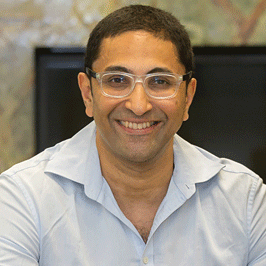
Professor Parker is an American legal and intellectual historian as well as a historian of U.S. immigration and citizenship law. His books include Making Foreigners: Immigration and Citizenship Law in America, 1600 – 2000 (2015) and Common Law, History, and Democracy in America, 1790 – 1900: Legal Thought Before Modernism (2011). His scholarship has also examined such subjects as the interrelationship between American legal and historical thought and the history and theory of U.S. immigration and citizenship law. His teaching interests include Property Law, Constitutional Law, American Legal History, Race and Law, among other subjects. Professor Parker received his A.B. and J.D. from Harvard University and his Ph.D. in History from Princeton University. After law school, he spent two years at a major New York law firm working on corporate and securities matters and providing pro bono representation to political asylum applicants. At LAPA, he will work on his current book project exploring the turn to ideas of process in mid-twentieth century American legal, political, and economic thought.

Gary Peller
Gary Peller graduated from Harvard Law School in 1980. He began teaching law in 1982 at the University of Virginia School of Law. Since 1989, he has taught torts, contracts and constitutional law at Georgetown University Law Center. He writes in the fields of legal theory and legal history. He became active in CLS in the early 1980s.

Imani Perry
Imani Perry is the Hughes-Rogers Professor of African American Studies at Princeton University and a faculty associate in the Program in Law and Public Affairs and Gender and Sexuality Studies. She is the author of 6 books, and numerous scholarly articles. Perry received a Ph.D. in The History of American Civilization from Harvard University’s Graduate School of Arts and Sciences, a JD from Harvard Law School and a BA from Yale College. She also holds an LLM from Georgetown University Law Center, with a focus on the history of property and contract.

John Henry Schlegel
John Henry Schlegel is Roger and Karen Jones Faculty Scholar and UB Distinguished Professor of Law at University at Buffalo Law School. He is modestly known for his writing on legal history, critical legal studies, legal education and especially for his book on American Legal Realism and Empirical Social Science. While he continues to publish in these areas, about twenty years ago he began a book project on law and economy in the United States since our Uncivil War. The resulting manuscript, while “Waiting for Rain: Community, Economy and Law in a Time of Change,” is currently looking for a good home. Most of his teaching is in areas seemingly related to this manuscript, such as Business Basics for Law Students, Contracts, Corporate Finance, and Regional Economic Development. Nevertheless, he regularly teaches “Telling Stories,” a course that attempts to help law students understand the importance of narrative in the practice of law. It uses three novels by Jane Austin, a play, and ten movies to make this simple point.

Katharina Schmidt
Katharina is in the finishing stages of her PhD in history at Princeton and her JSD in law at the Yale Law School. In her research, Katharina examines the origins of National Socialist “life”-jurisprudence to write a comprehensive history of German legal modernism between 1900 and 1949. She also explores the German roots of the American Legal Realist movement. Katharina’s other interests include German legal science in colonial Africa and the South Pacific as well as transnational intellectual history with a particular focus on German-Jewish émigré scholars in the United States, Latin America, and Asia. As part of her research, Katharina is interested in the tension between law as a social practice and law as an academic discipline as well as in the connections between legal history, legal philosophy, and legal sociology. Before coming to Princeton, Katharina obtained law degrees from University College London (LL.B), the University of Cologne (Baccalaureus Legum), the University of Oxford (BCL) and the Yale Law School (LL.M). She has published articles, chapters, and reviews in the American Journal of Comparative Law, Comparative Legal History, the Law & History Review, the German Studies Review, and the Oxford Handbook of Legal History.
Elizabeth Schneider
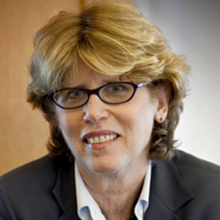
Elizabeth Schneider is a national expert in the fields of federal civil litigation, procedure, gender, law and domestic violence and is a frequent commentator for print and broadcast media. She is the author of the prize-winning book, Battered Women and Feminist Lawmaking (Yale University Press, 2000) and co-author of several other books in this area. She has also written numerous articles and book chapters on civil rights, civil procedure, women’s rights, and domestic violence. She has lectured around the world and participated in trainings of lawyers and judges in countries such as China, Vietnam and South Africa. She was a consultant for the Secretary-General’s Report on All Forms of Violence Against Women which was submitted to the General Assembly of the United Nations in Fall 2006. Professor Schneider has also been a Visiting Professor at Harvard and Columbia Law Schools. She is a member of the American Law Institute and Chair of the Judicial-Academic Network of the National Association of Women Judges (NAWJ). She has been honored by numerous organizations such as the National Organization of Women-NYC and the New York State Coalition Against Domestic Violence. She has been active in legal education, serving as a member of the AALS Executive Committee and on the Board of Governors of the Society of American Law Teachers. Professor Schneider is the Director of the Edward V. Sparer Public Interest Law Fellowship Program, which she has led for more than twenty years. She joined the faculty in 1983, after serving as a Staff Attorney with the Center for Constitutional Rights and a Staff Attorney with the Rutgers Law School-Newark Constitutional Litigation Clinic. She also clerked for the late United States District Judge Constance Baker Motley of the Southern District of New York. She earned her J.D. from New York University School of Law, where she was an Arthur Garfield Hays Civil Liberties Fellow.
Katherine V.W. Stone
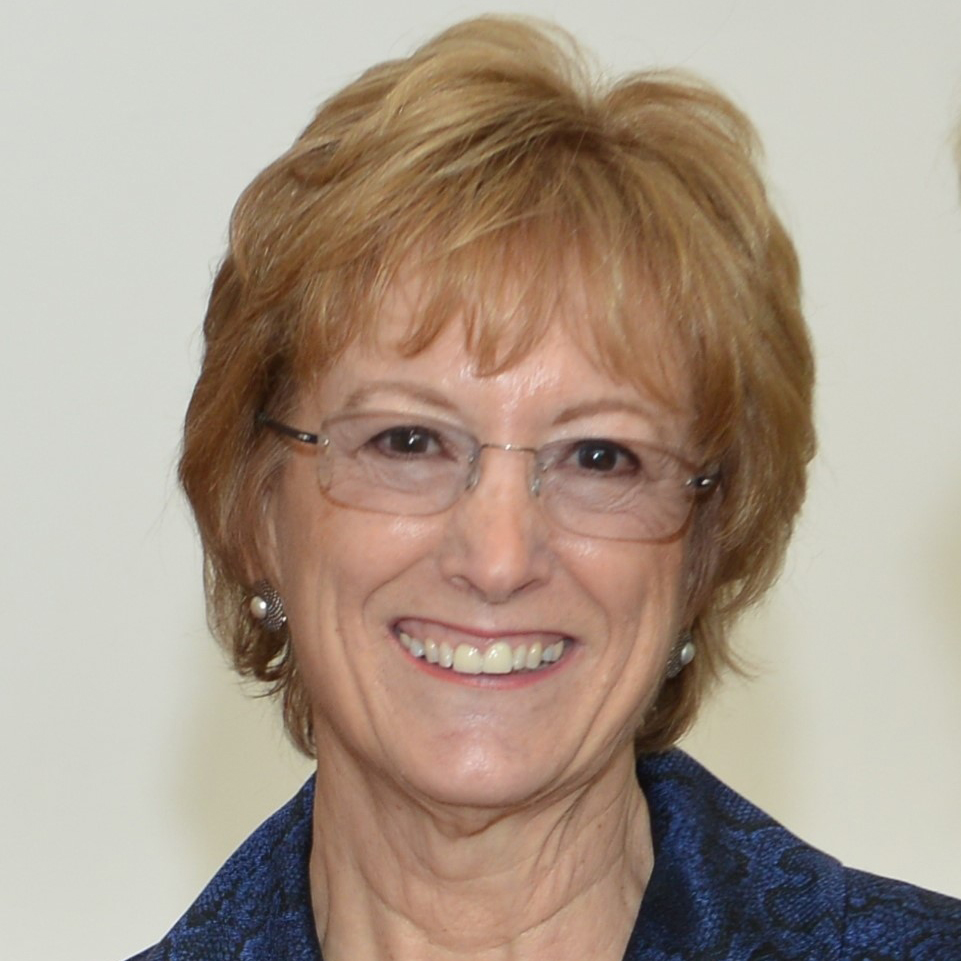
Katherine V.W. Stone is the Arjay and Frances Fearing Miller Professor of Law at UCLA School of Law. Her scholarship and teaching are in the fields of labor law, arbitration law, and comparative labor law. Previously, she was Professor of Law at Cornell Law School and Anne Evans Estabrook Professor of Dispute Resolution at Cornell School of Industrial and Labor Relations. Her recent scholarship has focused on the changing nature of employment and the regulatory implications. Her book, From Widgets to Digits: Employment Regulation for the Changing Workplace (Cambridge University Press in 2004) won the 2005 Michael Harrington Award from the American Political Science Association and was named Finalist for the 2005 C. Wright Mills Award from the Society for the Study of Social Problems. Her recent book, Rethinking Workplace: After the Standard Contract of Employment, (Russell Sage Foundation Press, 2013) examines the changing employment landscape in ten industrialized nations. She also writes, teaches, and lectures about forced arbitration in the employment and consumer setting. She received a Guggenheim Fellowship Award in 2008 and a Russell Sage Fellowship for 2008-2009. In 2017, she was awarded the Bob Hepple Lifetime Achievement Award by the Labour Law Research Network for her contributions to labor law scholarship around the world.
David M. Trubek
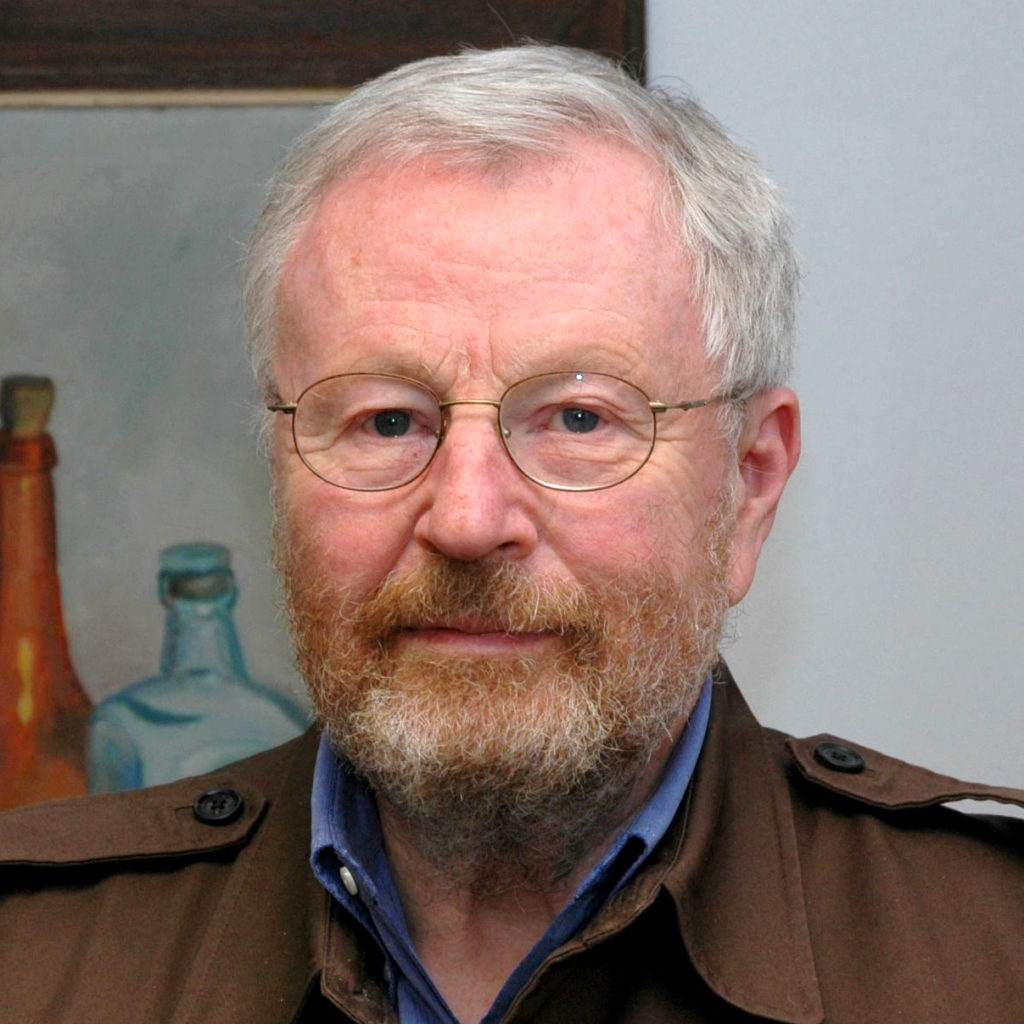
David M. Trubek is Voss-Bascom Professor of Law and Dean of International Studies Emeritus at the University of Wisconsin-Madison and a Senior Research Fellow at the Harvard Law School Center on the Legal Profession. He has written on numerous topics with special emphasis on the political economy of law in development, critical legal studies, and the role of lawyers in society. Dean Trubek was a founding member of the Conference on Critical Legal Studies and has been active in the Law and Society Association. He has a special interest in Brazil and maintains close relations with the FGV Law School in Sao Paulo and other Brazilian institutions. Recent publications include studies of lawyers in Brazil and other emerging economies and on the relationship between international economic law and global development. He currently lives in Brooklyn, NY.
Mark Tushnet
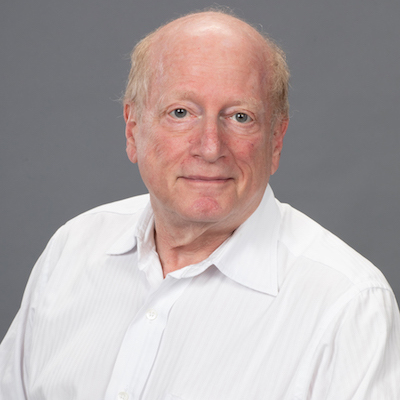
Mark Tushnet is William Nelson Cromwell Professor of Law at Harvard Law School. He received his undergraduate degree magna cum laude from Harvard College in 1967. He received a J.D. and M.A. in history from Yale University in 1971. He clerked for Judge George Edwards and Justice Thurgood Marshall before beginning to teach at the University of Wisconsin Law School in 1973. In 1981 he moved to the Georgetown University Law Center, and in 2006 to Harvard Law School. He has been a visiting professor at the University of Texas, University of Southern California, University of Chicago, Columbia University, New York University, and Harvard law schools. Professor Tushnet is the co-author of four casebooks, including a widely used casebook on constitutional law, Constitutional Law (with Stone, Seidman, and Sunstein). He has written more than a dozen books, including a two-volume work on the life of Justice Thurgood Marshall, A Court Divided: The Rehnquist Court and the Future of Constitutional Law, Weak Courts, Strong Rights: Judicial Review and Social Welfare Rights in Comparative Constitutional Law, Why the Constitution Matters, Advanced Introduction to Comparative Constitutional Law, and Advanced Introduction to Freedom of Expression, and edited eight others. He has received fellowships from the Rockefeller Humanities Program, the Woodrow Wilson International Center for Scholars, and the John Simon Guggenheim Memorial Foundation, and has written numerous articles on constitutional law and legal history. He was President of the Association of American Law Schools in 2003. In 2002 he was elected a fellow of the American Academy of Arts and Sciences.

Lucie White
Lucie White is the Louis A. Horvitz Professor of Law at Harvard Law School. After working for two decades on US social welfare law, she turned to the issue of extreme poverty in sub-Saharan Africa. Thus, in 1999 she launched the Harvard Law School’s Ghana project, which is on-going. The project brings together Ghanaian partners and student teams to work on economic and social rights, particularly the realization of economic and social rights for Ghana’s least advantaged groups. After working on health finance and mental health, the group turned to the oil industry’s economic and human impacts. The project’s guiding theme is to help people “make economic and social entitlements real” in ways that make sense to them. In 2010 she built on this work to found the “Stones of Hope” project. This is a collaboration among African human rights activists and global rights scholars to examine African innovations in Economic and Social Rights advocacy. The main finding was that African use human rights in ways that are far more creative than what scholars have documented. The project culminated in L. White and J. Perelman eds., Stones of Hope: African Lawyers Use Human Rights to Challenge Global Poverty (Stanford University Press, 2010). Subsequently she took part in a number of Harvard Institute of Global Law and Policy initiatives, including a long term research project on human rights and heterodox development. Most recently she has received an Open Society grant to work with South African veteran activists – both lawyers and economists – who envision a “new South African constitutionalism” that will be rethink jurisprudence, custom and political economy in ways that promote responsive politics, progressive social movement, and structural change. She has received several fellowships and awards and written widely about everyday life, law, and social movement among marginalized groups, particularly those with histories of enslavement or colonization.

Lucy Williams
Lucy Williams is a professor of law at Northeastern University Law School, faculty director of its Center for Public Interest Advocacy and Collaboration, and co-director of its Program on Human Rights and the Global Economy. Her activism and scholarship have focused on domestic and global inequality of income, assets, and power. She founded and has coordinated for 15 years the International Social and Economic Rights Project, a group of international academics, judges and activists primarily from the Global South working to encourage transformative thinking about social and economic rights (SER) and SER-based legal strategies, building on CLS grounding. She has served on numerous state and federal commissions, appointed both by Massachusetts Governor Weld and U.S. President Clinton. Prior to joining academia, she practiced law for 17 years working with people who had limited economic resources on the West Side of Chicago and later at the Massachusetts Law Reform Institute. She received a Fulbright Specialist award to teach at Wuhan Law School in China in 2018 and was awarded a life-time professional achievement award from the University of Chicago in 2019.

Patricia J. Williams
Professor Williams, one of the most provocative intellectuals in American law and a pioneer of both the law and literature and critical race theory movements in American legal theory, holds a joint appointment between the School of Law and the Department of Philosophy and Religion in the College of Social Sciences and Humanities. She is also director of Law, Technology and Ethics Initiatives in the School of Law and the College of Social Sciences and Humanities. She has published widely in the areas of race, gender, literature and law. Her books, including The Alchemy of Race and Rights (Harvard University Press, 1991), illustrate some of America’s most complex societal problems and challenge our ideas about socio-legal constructs of race and gender. Professor Williams has authored hundreds of essays, book reviews and articles for leading journals, popular magazines and newspapers, including the Guardian, Ms., The New York Times, The New Yorker and The Washington Post, and authors a widely read monthly column in The Nation. The Alchemy of Race and Rights was named one of the 25 best books of 1991 by the Voice Literary Supplement; one of the “feminist classics of the last 20 years” that “literally changed women’s lives” by Ms. magazine; and one of the 10 best non-fiction books of the decade by Amazon.com. Professor Williams’ other books include The Rooster’s Egg(Harvard Press, 1995), Seeing a Color-Blind Future: The Paradox of Race(Farrar, Strauss & Giroux, 1998) and Open House: On Family, Food, Piano Lessons, and The Search for a Room of My Own (Farrar, Strauss & Giroux, 2004). She has received awards from the American Educational Studies Association and the National Organization for Women, among others. In 2019, she was elected a member of the American Philosophical Society. In 2000, Professor Williams was awarded a MacArthur “Genius” Fellowship. Professor Williams’ current research agenda includes three books in progress: The Complete Mad Law Professor (compilation of The Nation columns) (forthcoming 2019); The Talking Helix (focused on bioethics and genetics) (forthcoming 2020); and Gathering the Ghosts (a literary and historical text based on Professor Williams’ family archival materials) (draft manuscript). In addition, she is working on a documentary film that knits together a narratively linked series of video images about the deaths of unarmed citizens beginning with Trayvon Martin. She previously served as the James L. Dohr Professor of Law at Columbia Law School. She received her BA from Wellesley College and a JD from Harvard University.
* Unable to attend.